




Ford Escape Size Explained: Mini or Compact
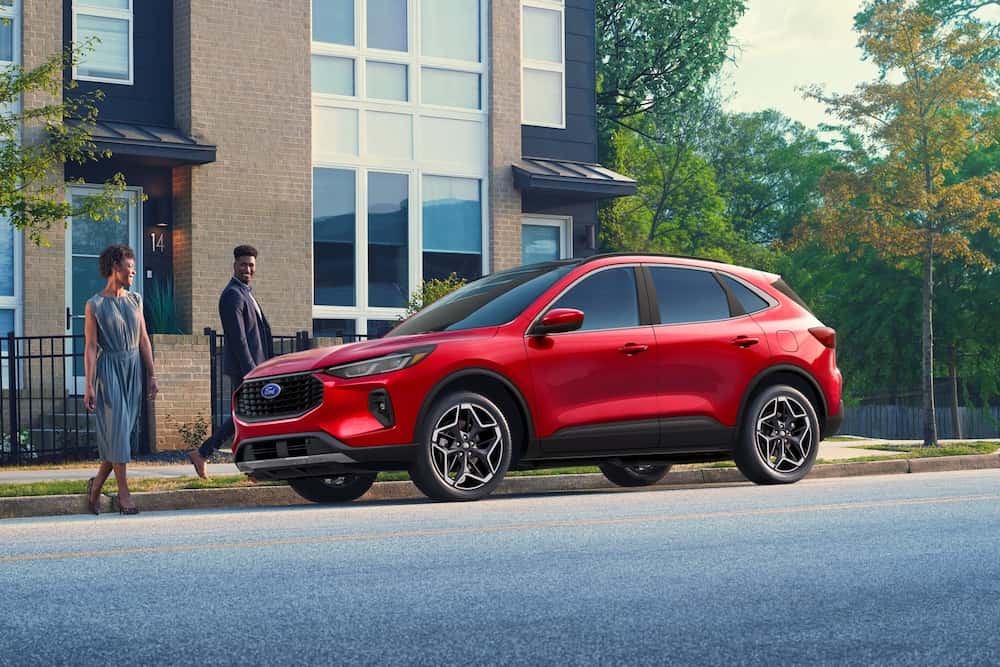
Photo Source/Copyright: Ford
Introduction: Understanding the Ford Escape’s SUV Category
The Ford Escape has long been a staple on American roads, offering a perfect blend of size, efficiency, and versatility. As drivers increasingly shift toward versatile haulers, a common question arises: Is the Ford Escape considered a mini SUV?
While its light handling might suggest a “mini” classification, the Escape actually occupies a specific niche in the market. In this article, we will clarify the compact SUV Ford Escape classification by examining its dimensions, comparing it to “mini” or subcompact alternatives, and looking at how it stands up against its primary competitors.
Ford Escape Overview: A Legacy of Practicality
First introduced in 2000, the Ford Escape was one of the pioneers of the modern crossover movement. Over the last two decades, it has built a reputation for providing everyday practicality without the bulk of a full-sized truck.
Today, the Escape has evolved into a high-tech marvel. The latest models, available at Wayne Akers Ford, offer multiple powertrain options, including fuel-efficient hybrids and a plug-in hybrid (PHEV) variant capable of an EPA-estimated 37 miles of all-electric range. With modern SYNC 4 technology and a spacious interior, the Escape is officially marketed as a compact SUV, positioning it right in the “sweet spot” of the Ford SUV lineup.
Dimensions and Size Comparison
Classification in the automotive world is largely determined by physical footprint. To understand why the Escape isn’t a “mini” SUV, let’s look at the numbers for the 2026 model:
| Metric | Measurement |
|---|---|
| Length | 180.5 inches |
| Width | 74.1 inches |
| Height | 66.1 inches |
| Wheel Base | 106.7 inches |
By contrast, “mini” SUVs (officially known as subcompact SUVs) like the Chevrolet Trax or Honda HR-V are typically shorter and narrower. The Escape provides significantly more legroom and a maximum cargo capacity of up to 65.4 cubic feet, ensuring it offers the “big car” feel that subcompacts often lack.
Mini SUV vs. Compact SUV: What’s the Difference?
Understanding these two categories helps buyers decide which vehicle fits their lifestyle.
- Mini SUVs (Subcompacts): These are the smallest SUVs available. They are designed for urban environments where easy parking is a priority. While they offer high fuel efficiency and lower price points, they often have cramped rear seats and limited cargo room. Examples include the Hyundai Kona and Mazda CX-30.
- Compact SUVs: This is where the Ford Escape resides. These vehicles are slightly larger, offering more powerful engine options—like the Escape’s available 250-hp 2.0L EcoBoost—and superior passenger comfort. They are the ideal upgrade for those who need more room than a “mini” SUV provides.
Compact SUV Ford Escape Competitors
The compact segment is the most competitive in the industry. The Escape holds its own against heavy hitters like:
- Honda CR-V: Known for its reliability and interior volume.
- Toyota RAV4: A rugged rival with a wide range of hybrid trims.
- Mazda CX-5: Focused on premium interior materials and sporty handling.
- Chevrolet Equinox: A comfort-oriented competitor with simple tech.
The compact SUV Ford Escape stands out by offering more powertrain variety than almost any rival, giving buyers at Wayne Akers Ford the choice between gas, hybrid, or plug-in efficiency.
Why the Ford Escape Appeals to Many Drivers
The enduring popularity of the Ford Escape stems from its balance. It is small enough to maneuver through tight city streets yet large enough to handle a week-long road trip or a small family’s gear.
Whether you are commuting to work or heading out on a weekend getaway, the Escape provides the cargo space, safety features, and fuel economy modern drivers demand. If you’re looking for the perfect balance of size and capability, the compact SUV Ford Escape at Wayne Akers Ford is ready for a test drive.
More from Wayne Akers Ford
Inside The New Ford Explorer Interior Space
Photo Credit: Ford A Practical Look at the Ford Explorer Interior Finding a three-row SUV that fits the whole family without feeling cumbersome behind the wheel isn’t always easy. The Ford Explorer remains a go-to choice for daily school runs, beach trips, and highway driving. At Wayne Akers Ford, the overall design of…
Learn What The Ford FX4 Package Includes
Photo Credit: Ford What Do You Actually Get with a Ford FX4 Truck? If you’ve been browsing truck lots or scrolling window stickers online, you’ve probably noticed those three bold letters stamped on the rear bedsides: FX4. Most drivers know it means off-road capability, but what does the package actually add compared to…
Pick the Best Ford Compact SUV Today
Photo Source/Copyright: FORD Choosing the Right Ford Compact SUV When shopping for a Ford Compact SUV at Wayne Akers Ford, most buyers end up choosing between two distinct vehicles: the Ford Escape and the Ford Bronco Sport. Both models share a compact footprint that fits easily into narrow parking spots and tight garages, but…