




The Evolution of the Ford Explorer
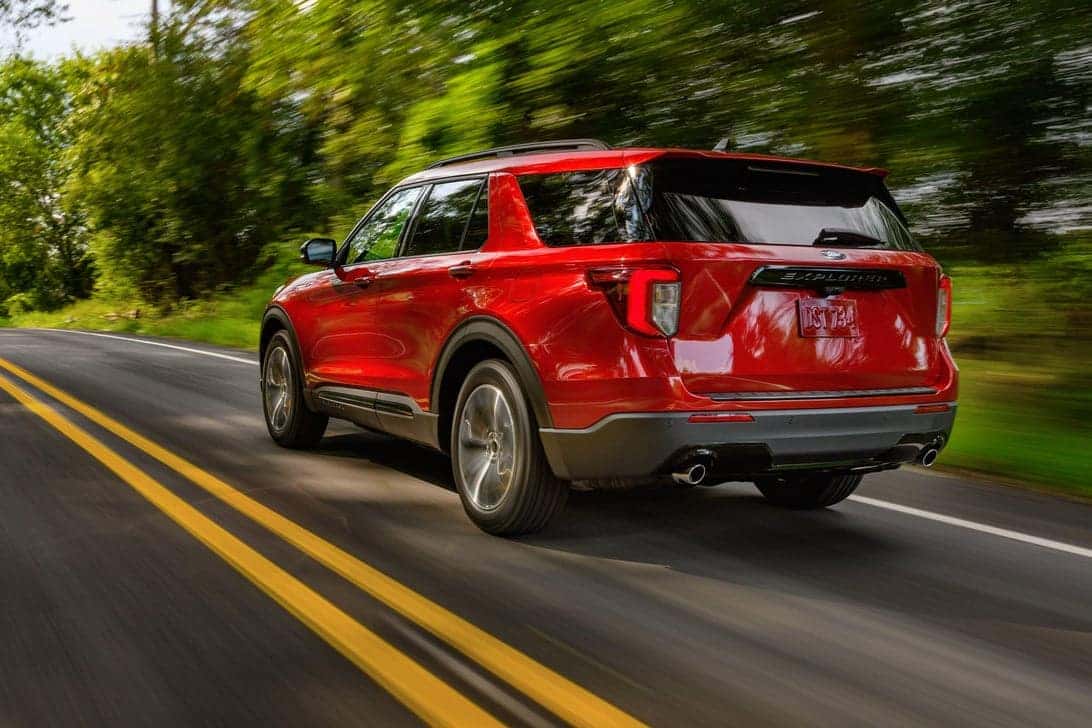
The Ford Explorer, a pioneering nameplate in the SUV market, has undergone a remarkable evolution since its debut in the early 1990s. As one of the vehicles that helped popularize the SUV segment, the Explorer has transformed over the years, adapting to changing consumer preferences, technological advancements, and shifting automotive trends.
First Generation (1991-1994): Introduced in 1990 as a 1991 model, the first-generation Ford Explorer was built on a truck platform, delivering a blend of ruggedness and family-friendly features. It replaced the Ford Bronco II and was marketed as a more versatile and comfortable alternative. The first-generation Explorer featured rear-wheel drive (with optional four-wheel drive), spacious interiors, and seating for up to seven passengers. It quickly gained popularity for its ability to cater to both suburban lifestyles and off-road adventures.
Second Generation (1995-2001): The second generation of the Ford Explorer, debuting for the 1995 model year, marked a shift toward more refined and rounded aesthetics. It introduced independent rear suspension, enhancing ride comfort and handling. This generation also witnessed the introduction of the Explorer Sport, a smaller two-door version aimed at the youth market. The addition of features like power-adjustable pedals and advanced safety technologies signaled Ford’s commitment to driver comfort and security.
Third Generation (2002-2005): The third generation, introduced for the 2002 model year, saw the Ford Explorer undergo another significant redesign. It featured a sturdier frame and improved safety features, which contributed to the Explorer’s continued popularity as a family-oriented SUV. This generation also witnessed the launch of the Explorer Sport Trac, a unique vehicle that combined the functionality of a pickup truck bed with an SUV’s cabin. It catered to those who needed both passenger space and cargo hauling capabilities.
Fourth Generation (2006-2010): In 2006, the fourth-generation Ford Explorer brought a more modern design and an emphasis on improved fuel efficiency. Engine options included V6 and V8 powertrains, with a focus on providing more power while reducing emissions and fuel consumption. This generation also introduced the advanced Safety Canopy system, which included side curtain airbags and rollover sensors for enhanced passenger protection.
Fifth Generation (2011-2019): The fifth-generation Ford Explorer, debuting for the 2011 model year, marked a significant departure from its body-on-frame construction. It transitioned to a more car-like unibody platform, improving ride quality and handling. The fifth-generation Explorer also offered a range of engine options, including EcoBoost turbocharged engines, showcasing Ford’s commitment to efficiency without sacrificing performance. Advanced technology features, including the SYNC infotainment system, further modernized the Explorer’s interior.
Sixth Generation (2020-Present): The current sixth-generation Ford Explorer, introduced for the 2020 model year, returns to a rear-wheel-drive-based platform. It offers a range of powertrain options, including hybrid and performance-oriented variants like the Explorer ST. The latest Explorer also features advanced safety technologies, an available 10.1-inch touchscreen infotainment system, and a host of convenience features for modern drivers.
The evolution of the Ford Explorer mirrors the broader shifts in the automotive landscape, adapting to changing preferences, safety regulations, and technological advancements. From its early days as a rugged SUV to its current iteration as a versatile and technologically advanced family vehicle, the Ford Explorer’s evolution continues to resonate with a wide range of consumers seeking comfort, capability, and modern amenities in an SUV package.